
5 Essential Strategies to Empower Caregivers of Neurodiverse Individuals
Introduction
Caring for a neurodiverse loved one is a journey of resilience, learning, and growth. As resources expand in the Inland Empire and beyond, so do the unique challenges families face. These five evidence-based strategies provide practical tools for caregivers, helping to foster confidence, well-being, and a sense of community. The Therapy Lounge stands as a local leader in individualized, inclusive support, guiding families toward a brighter, more empowered future.
Embracing Neurodiversity Through Affirming Care
Neurodiversity recognizes the natural variations of the human brain, including autism, ADHD, and other neurological differences. Embracing a strength-based approach—rather than a deficit-focused mindset—uplifts families and supports both autism spectrum disorder parenting and ADHD caregiver strategies. Using respectful language, celebrating sensory interests, and supporting authentic self-expression all contribute to a more affirming environment.
For example, honoring a child’s favorite interests, like trains or digital games, transforms passions into learning opportunities. Encouraging stimming, AAC usage, or creative outlets without apology supports self-esteem and acceptance. The Therapy Lounge trains its therapists to focus on individual strengths, integrating speech, occupational therapy, applied behavior analysis, and social skills programs under one roof for unified, holistic guidance.
Practical takeaway: List three abilities your child shows each day—such as humor, pattern recognition, or compassion—and share them with educators and healthcare providers. This shifts conversations toward capability and strengths.
Building Resilient Routines and Support Networks
Predictable routines are essential for many neurodiverse children and their families. While disruptions are inevitable, maintaining flexibility is key. Strategies include consistent wake, meal, and sleep times; using visual schedules or smart-home reminders; and creating buffer zones with countdowns or fidget toys to ease transitions.
Caregivers often experience high emotional stress due to social isolation. National surveys indicate that 64 percent of caregivers report high emotional stress, with loneliness being a significant factor. Joining local or online communities, such as regional parent groups or digital forums, and attending meetups can provide critical support and reduce isolation.
The Therapy Lounge is launching parent workshops and respite care programs to give families opportunities to recharge. Monthly coffee chats offer a welcoming space for confidence-building and experience-sharing.
Quick connection tips:
- Request your service coordinator to send support group flyers.
- Search for local autism parent groups online and filter by location.
- Save emergency contacts, such as behavioral health lines and crisis numbers, for immediate support.
Prioritizing Caregiver Mental Health and Stress Relief
The principle of putting on your own oxygen mask first applies to caregiving. Prioritizing your well-being is not selfish—it is essential. Transforming self-care into a daily routine can be achieved with micro-breaks, guided mindfulness sessions, and annual mental health screenings. Many health plans cover these services at no cost.
Effective stress management also involves staying organized. Keeping a binder or digital folder with important documents—diagnosis codes, IEPs, and authorizations—can help minimize last-minute emergencies. The Therapy Lounge is preparing holistic wellness programs, including cognitive behavioral therapy groups, art therapy evenings, and short-term respite, in partnership with major health plans to avoid out-of-network complications.
If burnout becomes overwhelming, reaching out to support lines or seeking brief respite is crucial. Your well-being matters.
Enhancing Social and Communication Skills Together
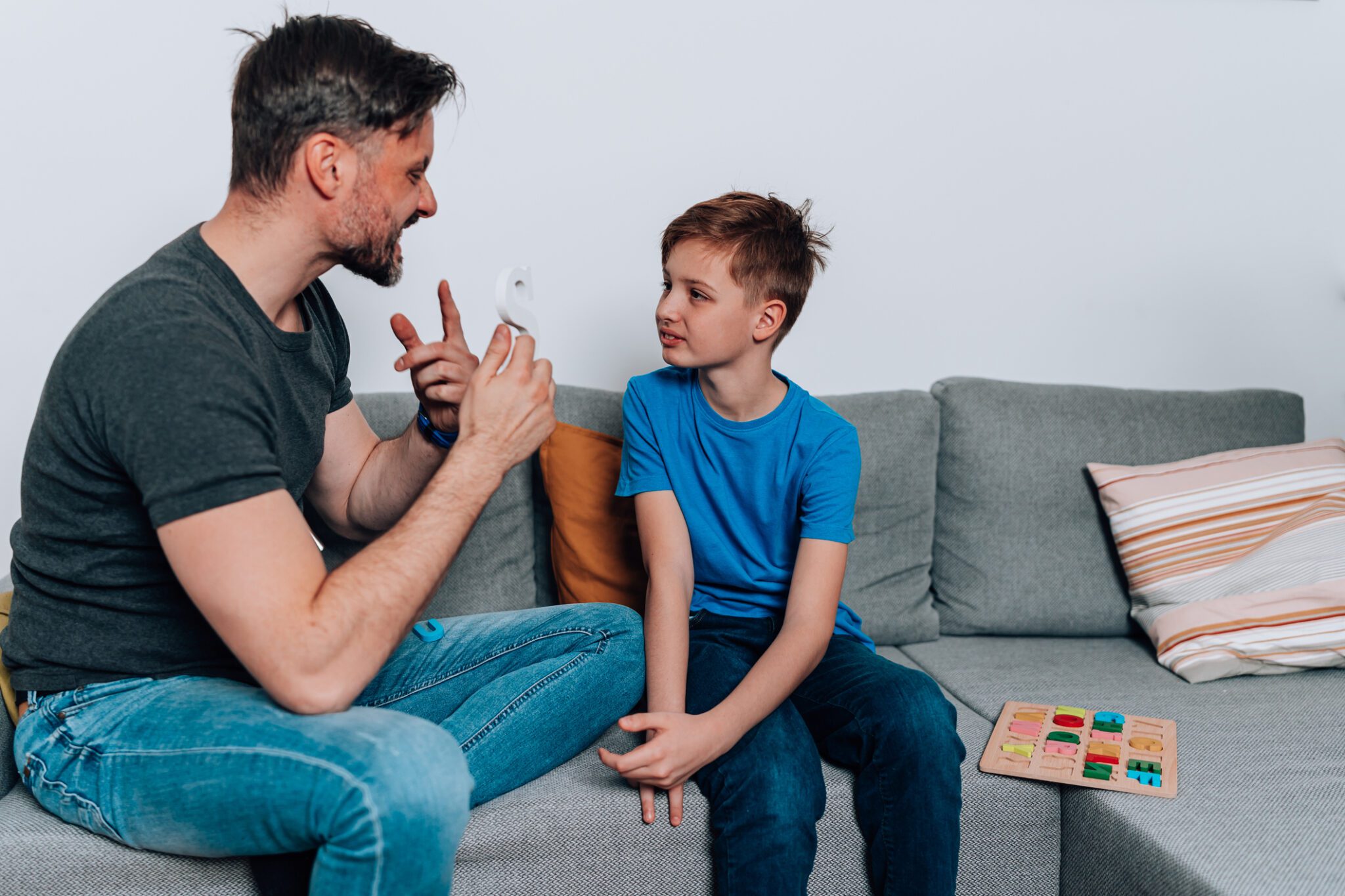
Social skill gaps can impact friendships, employment, and quality of life for neurodiverse individuals. Joint practice at home and in therapy accelerates progress. Strategies include modeling conversations at dinner, using visual supports to interpret tone, and encouraging every effort—whether a wave, typed reply, or shared meme.
The Therapy Lounge offers the PEERS® social skills program, which has been shown to double the number of social get-togethers for participants. For younger children, Baby Signs® introduces sign language to ease frustration before speech develops. At-home practice kits, such as story-building cards, topic wheels, and friendship goal charts, further reinforce progress.
Uniqueness Snapshot
What Sets The Therapy Lounge Apart
- Certified PEERS® & Baby Signs®: Evidence-based programs, no trial-and-error guessing
- Integrated disciplines (speech, OT, ABA, mental health): One plan, one team, less appointment fatigue
- Neuro-affirming, strength-based philosophy: Supports self-esteem, not conformity
- Respite plus therapy: Caregiver downtime built into the model
- Partnerships with regional centers & major insurers: Streamlined authorizations, lower out-of-pocket costs
Advocating for Access, Inclusion, and Lifelong Learning
Advocacy is crucial for securing services, accommodations, and respect for neurodiverse individuals. Begin with understanding key laws, such as IDEA, ADA, and the Lanterman Act, which guarantee support. Familiarize yourself with insurance codes to expedite approvals, and track your child’s behaviors, sleep, and progress in a simple spreadsheet to provide clear data.
Collaboration with teachers, pediatricians, and service coordinators is vital. The Therapy Lounge’s coordinated-care reports align therapy goals with educational objectives, saving preparation time and ensuring cohesive support.
The Autism Family Caregivers Act of 2025 proposes significant funding for evidence-based caregiver training, highlighting the growing recognition of caregiver needs. Stay informed by subscribing to local updates and newsletters.
Local action ideas:
- Participate in community advisory committees.
- Contact representatives to support relevant legislation.
- Volunteer at sensory-friendly events to foster inclusion.
Key takeaways for advocacy success:
- Prepare documents in advance.
- Build relationships by expressing gratitude to supportive staff.
- Be persistent—many appeals are successful upon a second attempt.
Empowerment Begins With You
These five pillars—affirming care, resilient routines, prioritizing mental health, enhancing social skills, and steadfast advocacy—form a foundation for lasting well-being. The Therapy Lounge is committed to empowering caregivers with evidence-based services, community partnerships, and respite care. Embrace these strategies and move forward with confidence.
References
House Lawmakers Introduce Bill to Expand Autism Family Support Through Caregiver Training
Fitzpatrick Drives Bipartisan Action to Support Caregivers and Families of Children with Autism
Addressing the Diverse Needs of Autistic Adults and Families
Supporting Neurodiversity Caregivers
Transforming Caregiving Innovations and Challenges in 2025
Family Caregivers Under Increasing Strain
New Data on Family Caregivers in the US
New Report Reveals Crisis Point for America’s 63 million Family Caregivers